
EDS 221
  • home
  • syllabus
  • daily materials
    • day 1 (8/10)
    • day 2 (8/11)
    • day 3 (8/12)
    • day 4 (8/13)
    • day 5 (8/14)
    • day 6 (8/17)
    • day 7 (8/18)
    • day 8 (8/19)
    • day 9 (8/20)
    • day 10 (8/21)

Scientific Programming Essentials

Master of Environmental Data Science (MEDS)

Summer 2026

A friendly yellow python in a teal beanie helpfully holds a ball of yarn, which is being used by a round hedgehog to knit a teal and yellow mitten. A squirrel on a drum labeled 'SQL' paints an 'R' to make it read 'SQ(R)L' (which may be read as 'squirrel'). The goal is to show Python, R, and SQL together in polyglot workflows facilitated by R Markdown / Quarto.

Artwork by Allison Horst

Course Description

This course teaches scientific programming skills and demonstrates the application of these techniques to environmental data analysis and problem solving. Topics include fundamental programming concepts, transforming and visualizing data, and exposure to modern data science tools. The course will be taught in R.

By the end of this course, students will be able to:

  • 🧠 Think like a computer scientist
    • 🌎 Represent real world data using computational data structures
    • πŸ€– Interpret and design algorithms to solve problems
    • πŸ„ Decompose complex problems into modular components
  • 🎨 Create like a computer scientist
    • πŸ”  Read and write code using proper syntax
    • πŸ›  Implement algorithms with control structures and functions
    • πŸ‘· Manage coding projects using version control

Teaching Team


Instructor

Max Czapanskiy (they/them)
Email: maxczap@ucsb.edu

TA

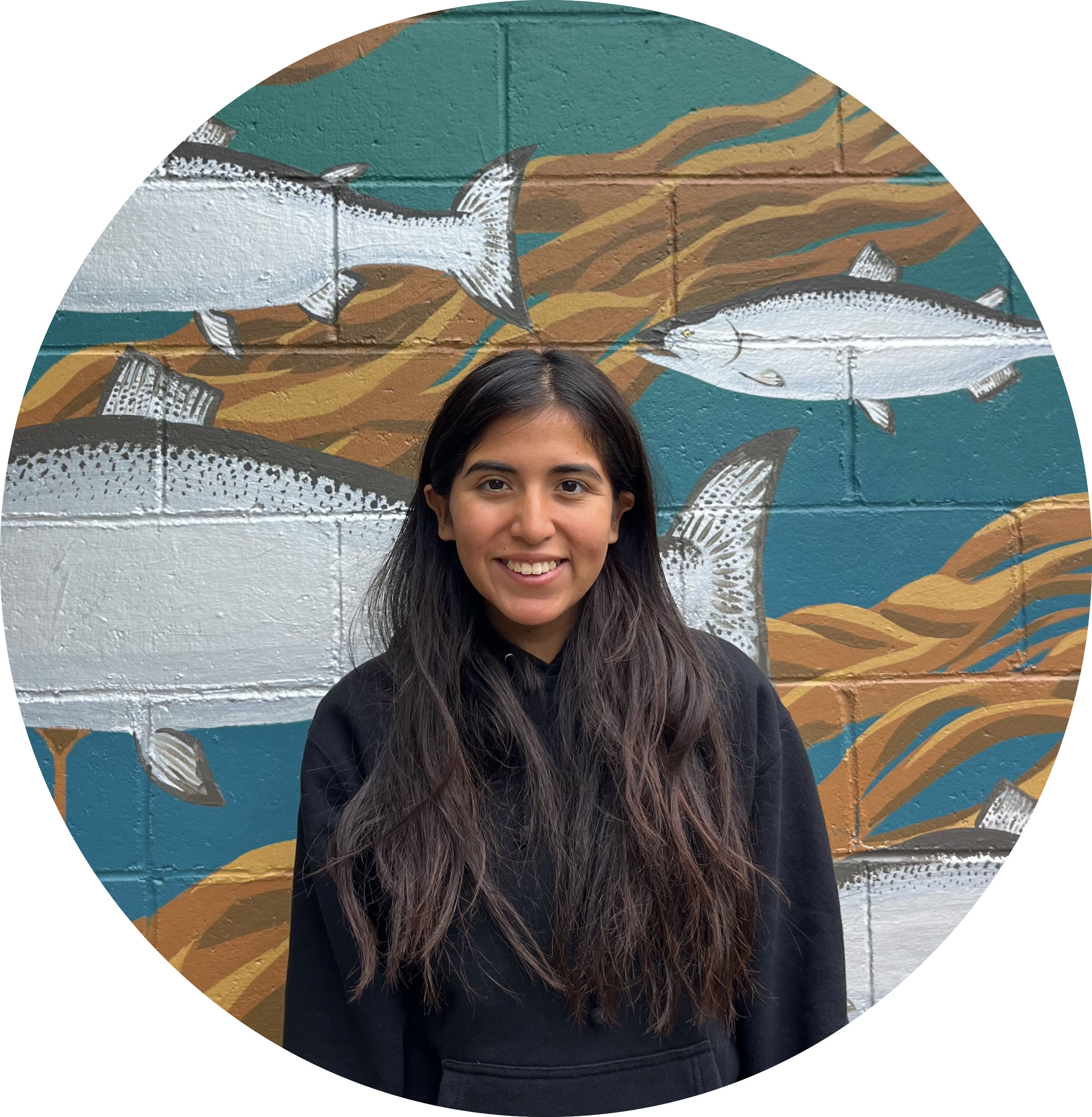
Alessandra Vidal Meza (she/her/ella)
Email: avidalmeza@bren.ucsb.edu

Acknowledgements

EDS 221 was originally developed and taught by Allison Horst. This course website contains material reused from, adapted from, and inspired by Allison’s original work.

The Bren School of Environmental Science & Management logo


This website is built with , and Quarto